Eating healthy can seem like a complicated task, but it’s not as tricky as you may think. With some careful research and food shopping, you can choose nutritious, filling meals and snacks without going on a diet. When you’re eating a meal or a snack, focus on serving yourself controlled, manageable portions. With perseverance, good habits, and a long-term goal, you may see positive changes in your physical health without going on a diet!
Nutritious food
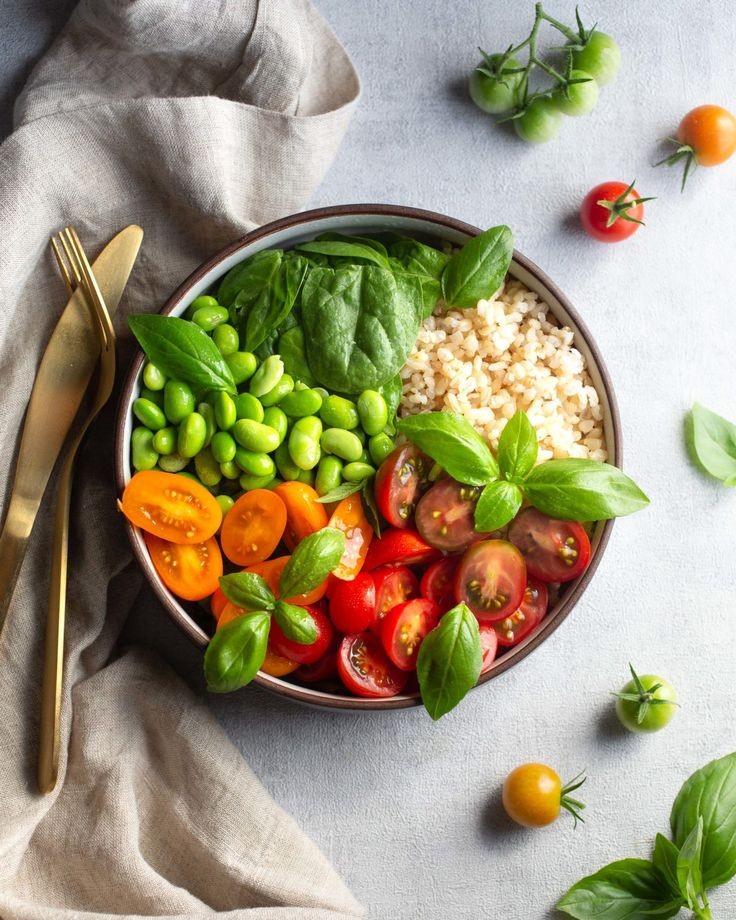
Eat breakfast on a daily basis to boost your metabolism. Start your morning with a filling, nutritious meal like a protein shake with a piece of fruit or a bowl of high-fiber cereal. When you eat breakfast consistently, you might notice a positive change in your BMI. When planning your meal, go for low-fat foods with a lot of calcium and fiber, which are great for you.
- When you eat a well-rounded breakfast, you’re more likely to eat your daily recommended serving of fruits and vegetables.
- Low-fat yogurt, nonfat milk, and cheese are great sources of calcium.
- Whole grains like bran and oatmeal are great sources of fiber that you can add to your breakfast. Fruits with skin, like raspberries, apples, and pears, also have fiber.
- For a satisfying and nutritious breakfast, try having flaxseed meal, chia seeds, and berries.
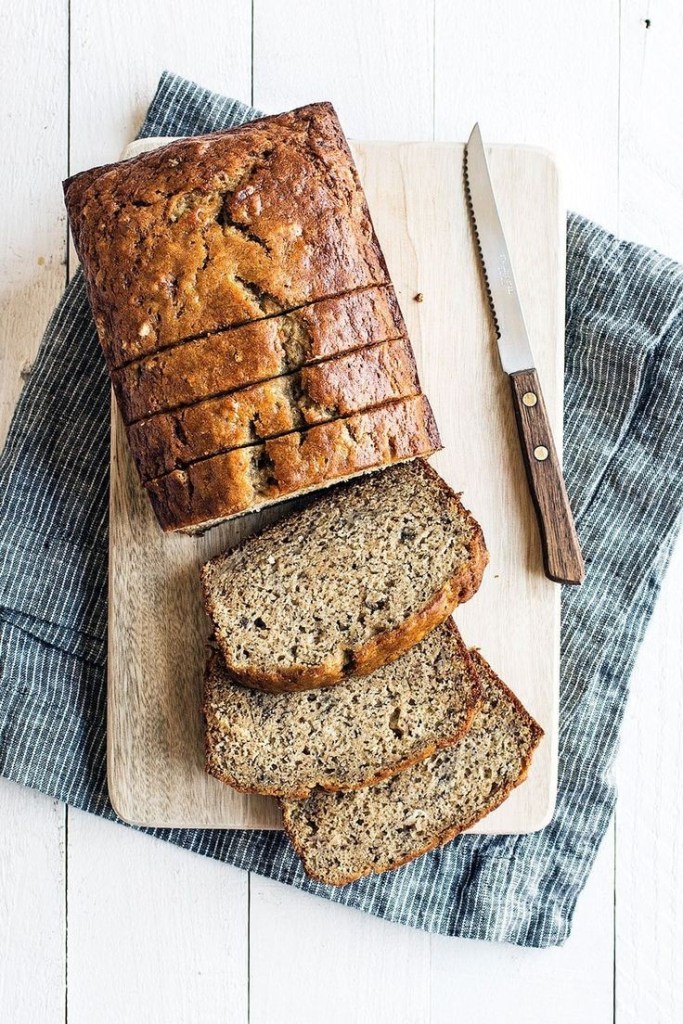
Select foods and drinks with a lot of fiber. Optimize your digestive tract by eating or drinking at least 20 grams (0.71 oz) of dietary fiber each day. Look for snacks and beverages with whole grains, or eat a serving of legumes, fruits, and vegetables. When you eat a consistent amount of fiber, you might notice a positive change in your bathroom schedule.[8]
- Women should have at least 21–25 grams (0.74–0.88 oz) of fiber each day, while men should have 30–38 grams (1.1–1.3 oz).
- Dietary fiber helps satisfy your appetite, which can prevent overeating and unnecessary weight gain.
- Fiber naturally lowers your cholesterol, and also helps balance any blood sugar issues.
- Beets are a great high-fiber food. You can also get plenty of healthy fiber and nutrients from vegetable smoothies
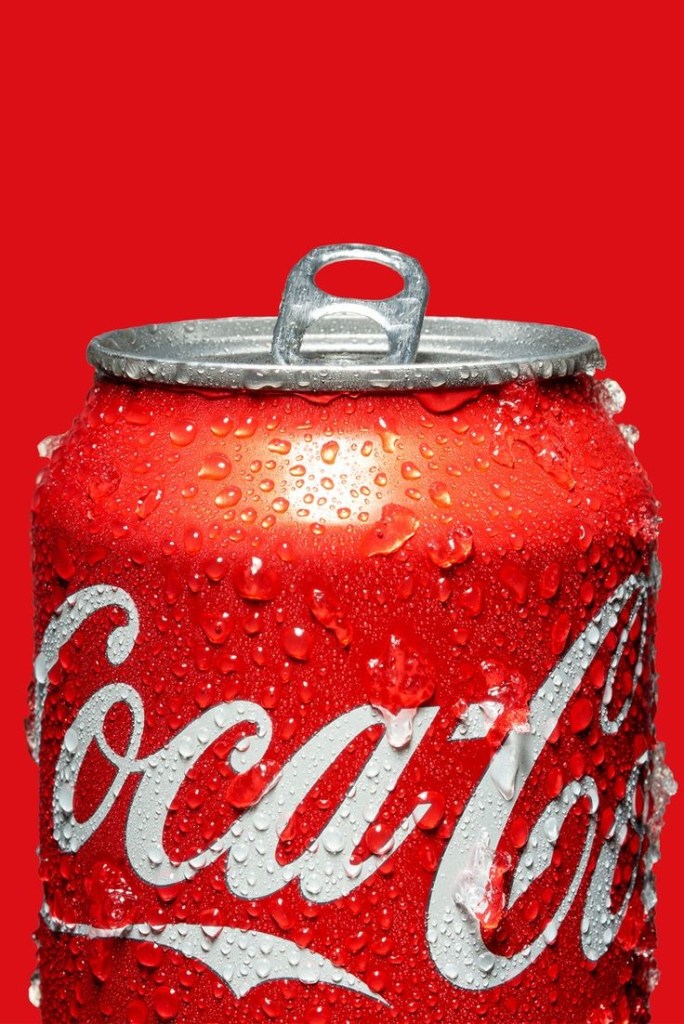
Cut sugary drinks out your diet. Try to limit the amount of soda, energy drinks, juice, sports drinks, and other sweetened beverages that you drink on a regular basis. Instead, choose water as your drink of choice. If you drink too many sugary drinks, you might raise your chances of Type-2 diabetes.[15]
- While you don’t have to remove sugar from your diet completely, look for ways you can limit it in your daily life. For instance, try using 1 spoonful of sugar in your coffee instead of 2-3.


Leave a Reply